
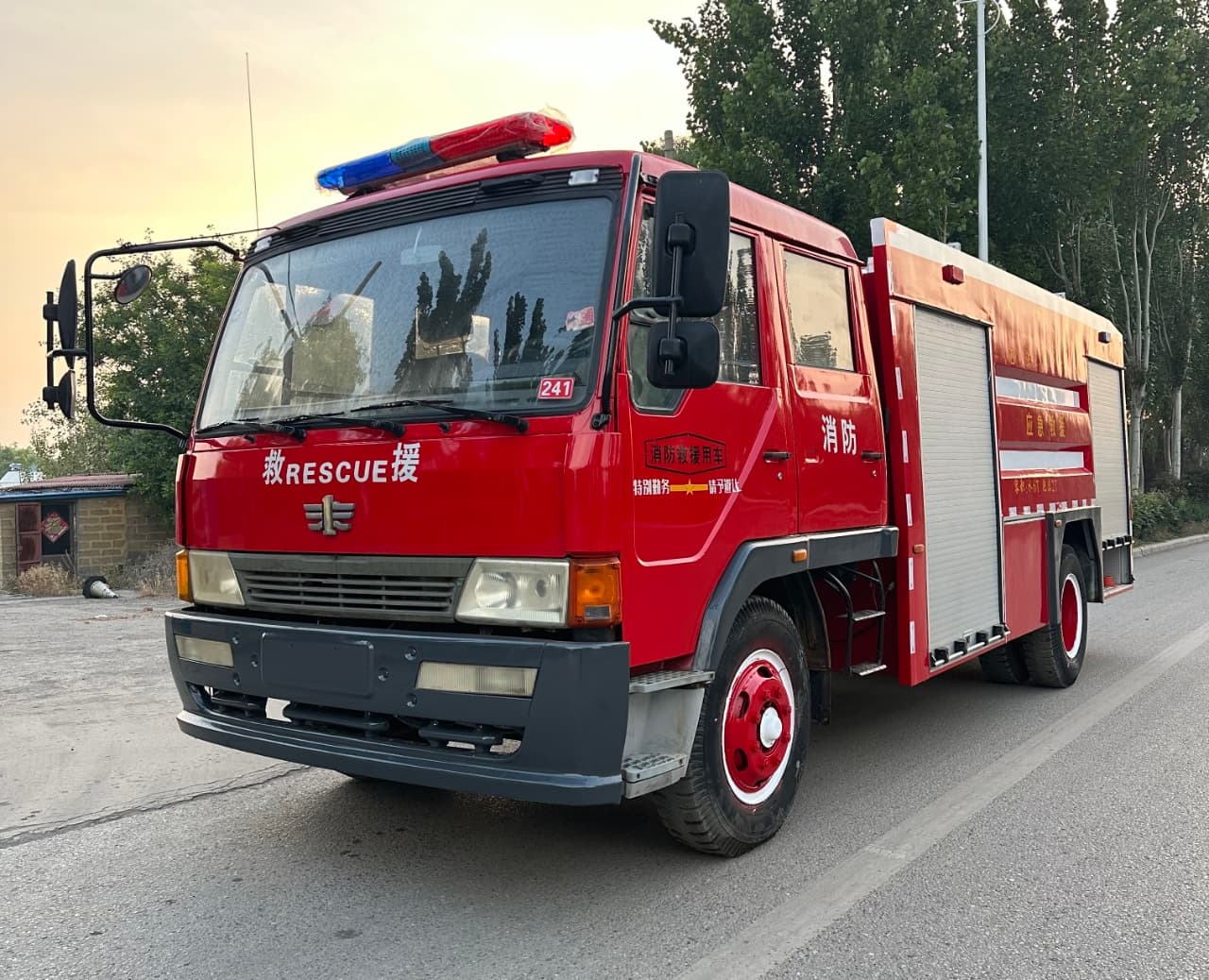
A reliable fire engine is more than just an emergency vehicle—it is a lifesaving asset. Whether operated by a municipal fire department, industrial facility, airport, or emergency response team, regular maintenance ensures that every fire engine performs safely and efficiently when every second counts. A well-planned inspection routine also reduces downtime, extends vehicle lifespan, and lowers long-term operating costs.
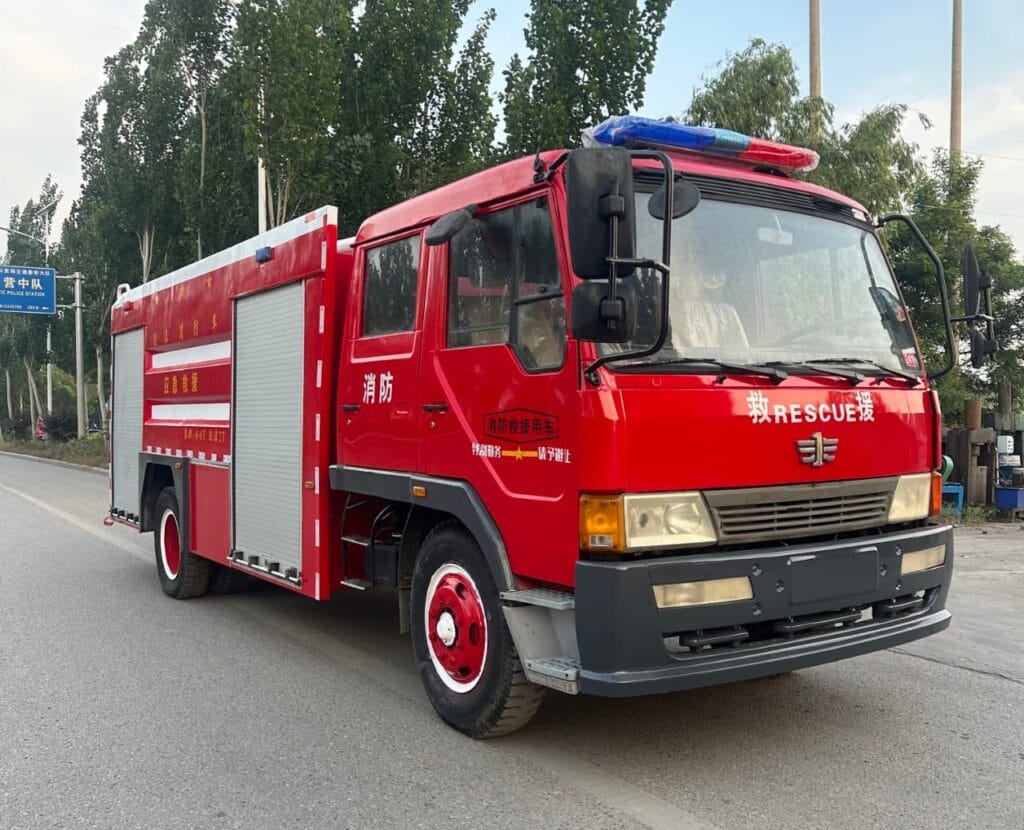
Monthly Fire Engine Maintenance Checklist
Monthly inspections help identify wear before it becomes a serious problem. Key maintenance items include:
- Check engine oil, coolant, transmission fluid, and hydraulic oil levels.
- Inspect the braking system, steering components, and suspension.
- Examine tires for pressure, tread depth, and sidewall damage.
- Test all emergency lights, warning sirens, and electrical systems.
- Inspect the fire pump, water tank, foam system, and pipelines for leaks.
- Verify battery condition and charging performance.
- Lubricate hinges, moving parts, and PTO components.
- Check hose reels, nozzles, ladders, and onboard firefighting equipment.
Keeping a detailed maintenance record allows operators to track service history and schedule preventive repairs before failures occur.
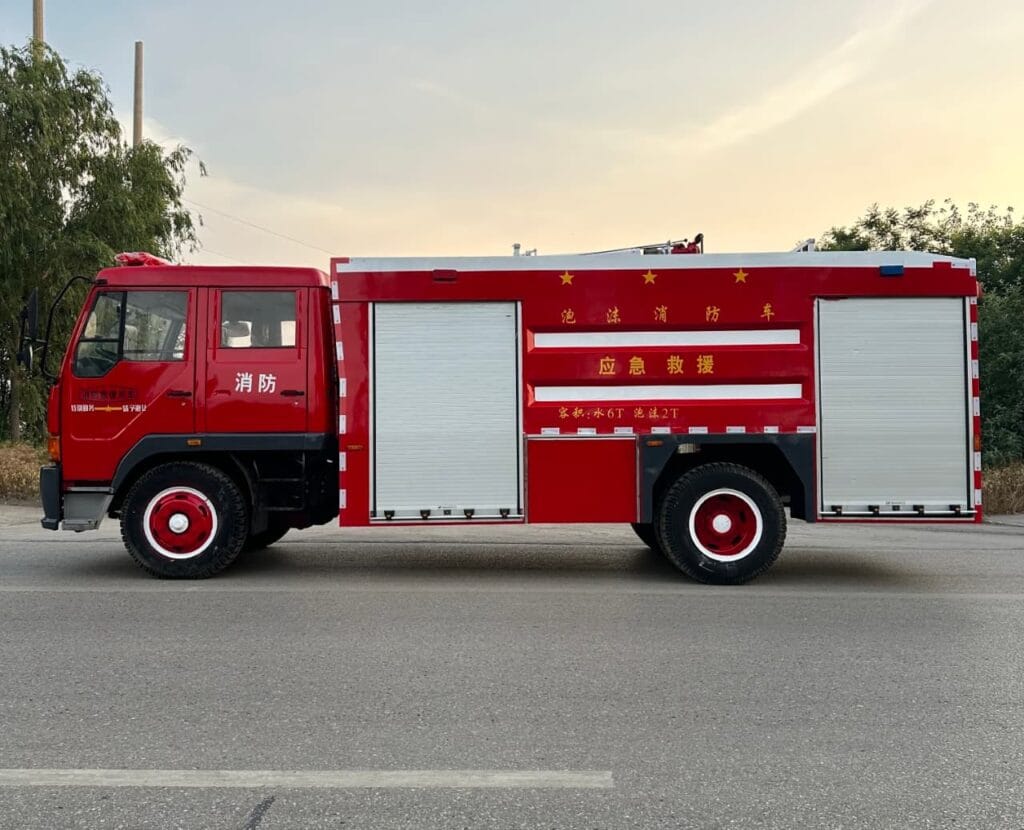
Pre-Operation Fire Engine Inspection
Before every deployment, operators should complete a quick inspection to confirm the fire engine is fully operational.
A standard pre-operation checklist includes:
- Start the engine and monitor dashboard warning indicators.
- Check fuel level and DEF (if applicable).
- Test headlights, brake lights, turn signals, and emergency lighting.
- Verify siren and communication equipment.
- Inspect pump operation and water discharge pressure.
- Confirm all compartment doors are securely locked.
- Check for visible oil, coolant, or hydraulic leaks.
- Ensure firefighting tools and safety equipment are properly secured.
This inspection typically requires only a few minutes but significantly improves operational reliability during emergencies.
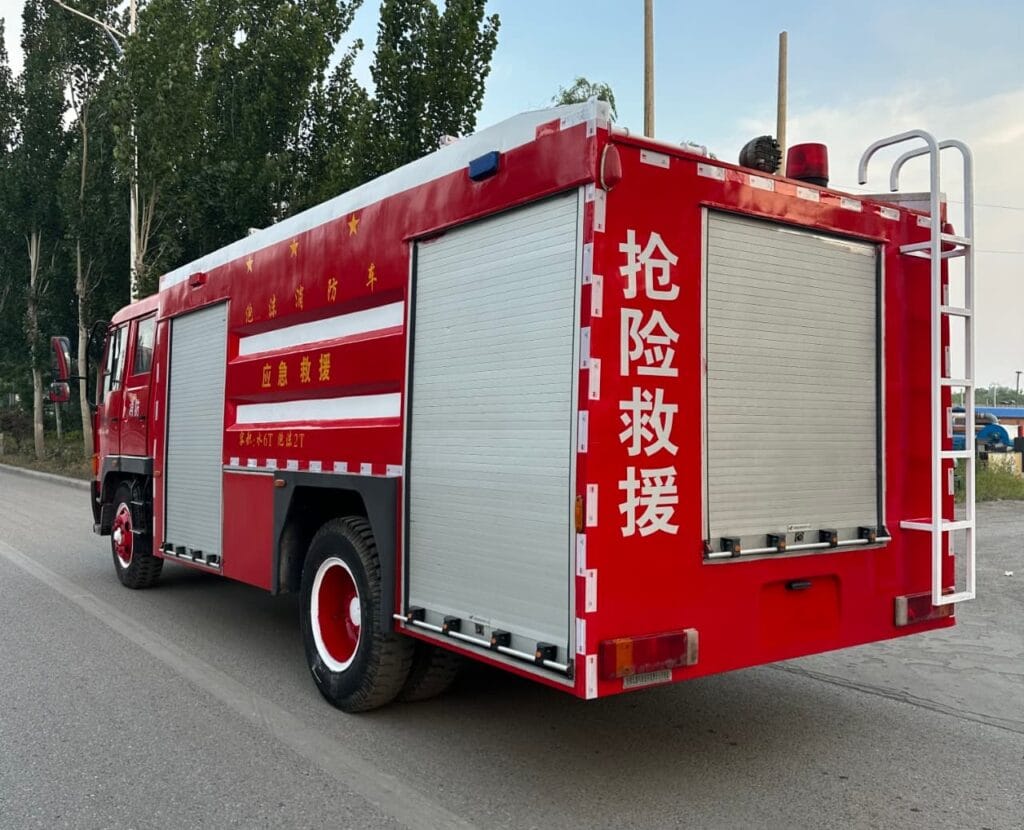
Why Preventive Maintenance Matters
Routine maintenance offers several important benefits:
- Maximizes fire engine reliability during emergency response.
- Reduces unexpected breakdowns and expensive repairs.
- Extends the service life of the vehicle.
- Improves operator safety.
- Maintains compliance with local inspection standards.
For fleet managers, preventive maintenance is one of the most cost-effective ways to protect the value of every fire engine while ensuring uninterrupted emergency readiness.
FAQ
Q1: How often should a fire engine receive a full inspection?
A: A pre-operation inspection should be performed before each use, while a comprehensive inspection is recommended monthly or according to the manufacturer’s maintenance schedule.
Q2: What is the most critical part of a fire engine inspection?
A: The fire pump, braking system, emergency lighting, engine fluids, and tires should always receive priority because they directly affect operational safety.
Q3: Can preventive maintenance reduce operating costs?
A: Yes. Regular maintenance helps prevent major mechanical failures, reduces repair expenses, and increases the overall lifespan of the fire engine.