
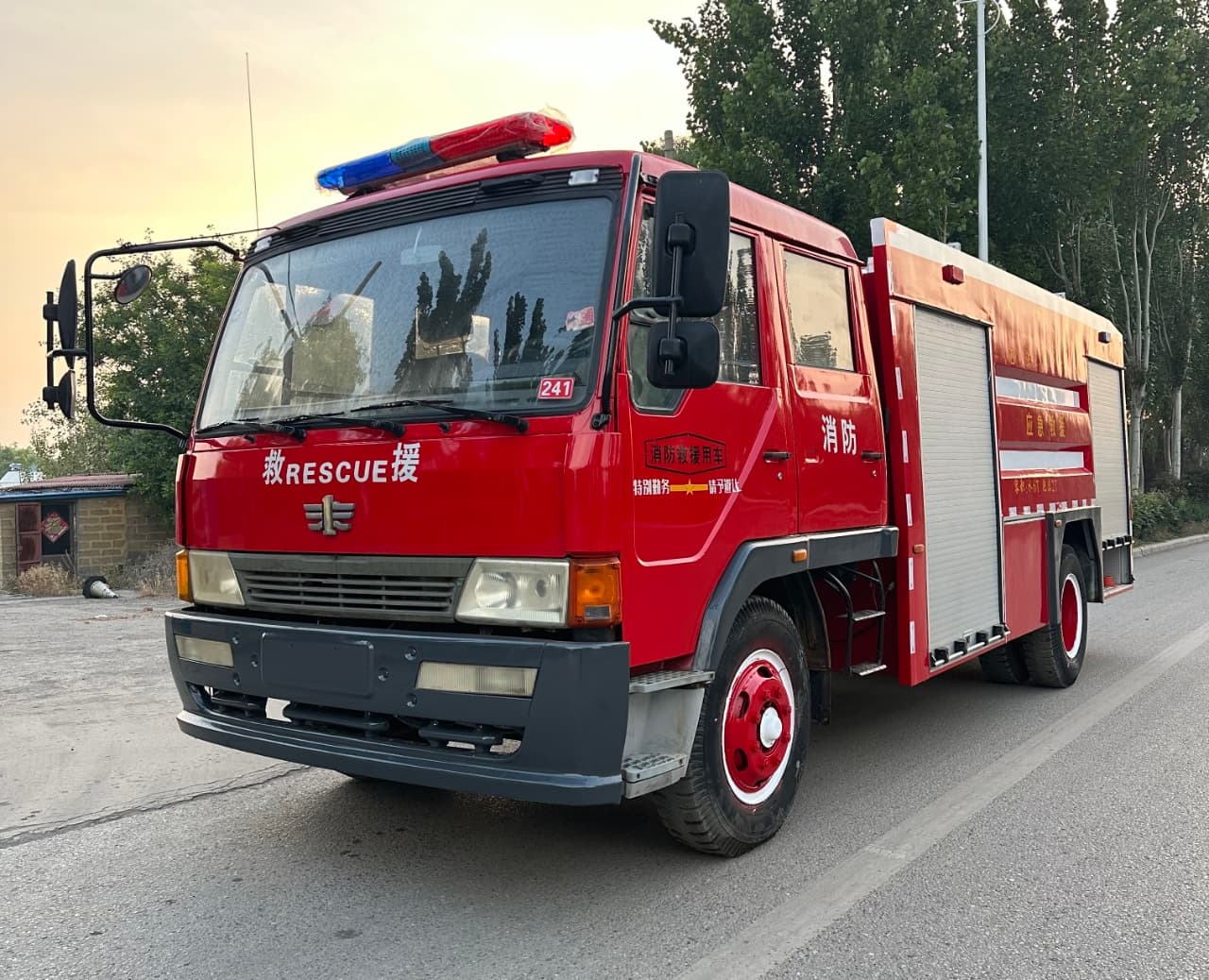
Un camion de pompiers fiable est plus qu'un simple véhicule d'urgence est un atout de sauvetage Qu'il soit exploité par un service d'incendie municipal, une installation industrielle, un aéroport ou une équipe d'intervention d'urgence, un entretien régulier garantit que chaque camion de pompiers fonctionne de manière sûre et efficace lorsque chaque seconde compte Une routine d'inspection bien planifiée réduit également les temps d'arrêt, prolonge la durée de vie du véhicule et réduit les coûts d'exploitation à long terme.
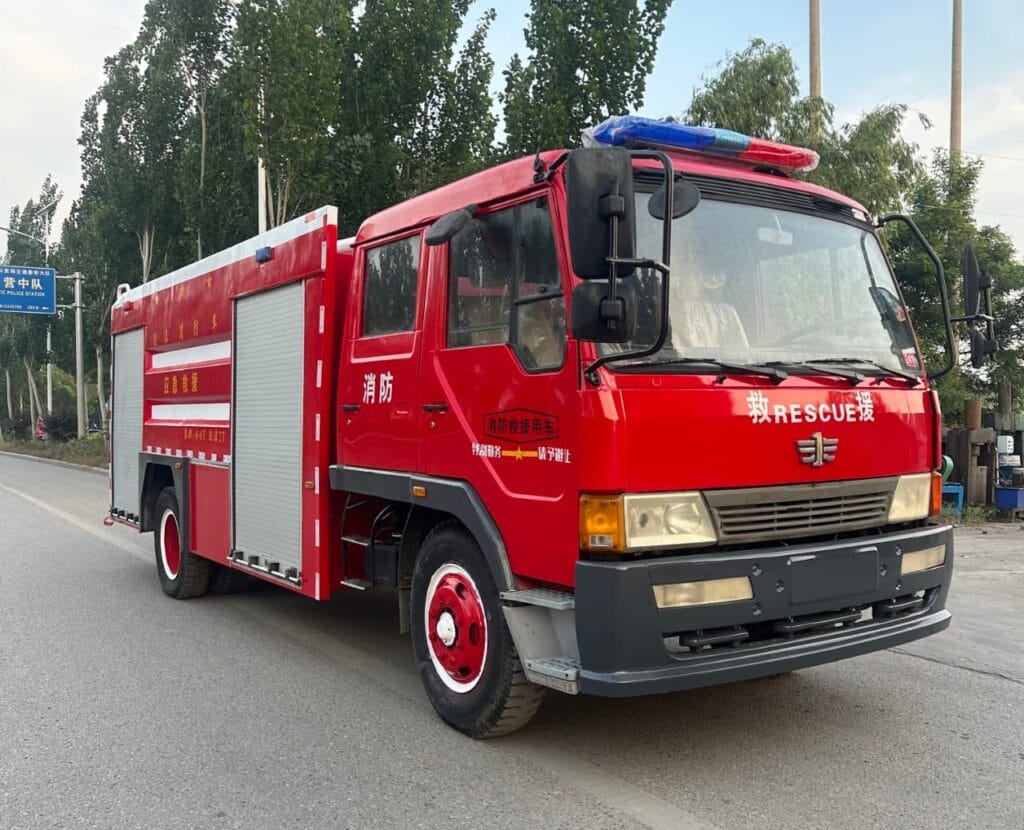
Liste de contrôle mensuelle d'entretien des camions de pompiers
Les inspections mensuelles permettent d'identifier l'usure avant qu'elle ne devienne un problème sérieux Les éléments clés de l'entretien comprennent notamment
- Vérifiez les niveaux d’huile moteur, de liquide de refroidissement, de liquide de transmission et d’huile hydraulique.
- Inspectez le système de freinage, les composants de direction et la suspension.
- Examinez les pneus pour détecter la pression, la profondeur de la bande de roulement et les dommages aux flancs.
- Testez tous les feux de secours, sirènes d'avertissement et systèmes électriques.
- Inspectez la pompe à incendie, le réservoir d'eau, le système de mousse et les canalisations pour détecter toute fuite.
- Vérifiez l'état de la batterie et les performances de charge.
- Lubrifiez les charnières, les pièces mobiles et les composants de prise de force.
- Vérifiez les enrouleurs de tuyaux, les buses, les échelles et les équipements de lutte contre les incendies à bord.
La tenue d'un dossier de maintenance détaillé permet aux opérateurs de suivre l'historique de service et de planifier des réparations préventives avant que des pannes ne surviennent.
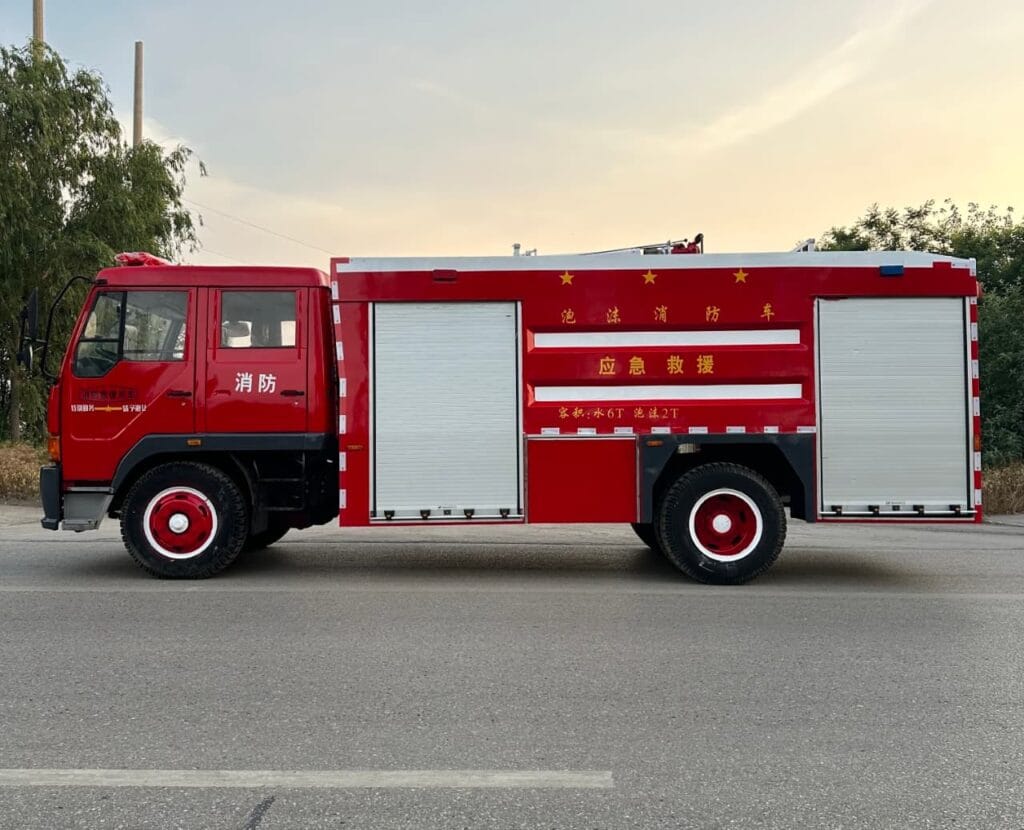
Inspection des camions de pompiers avant l'opération
Avant chaque déploiement, les opérateurs doivent effectuer une inspection rapide pour confirmer le camion de pompiers est pleinement opérationnel.
Une liste de contrôle standard de pré-opération comprend notamment
- Démarrer le moteur et surveiller les indicateurs d'avertissement du tableau de bord.
- Vérifiez le niveau de carburant et le DEF (le cas échéant).
- Projecteurs d'essai, feux stop, clignotants et éclairage de secours.
- Vérifiez sirène et matériel de communication.
- Inspectez le fonctionnement de la pompe et la pression de refoulement de l'eau.
- Confirmez que toutes les portes du compartiment sont bien verrouillées.
- Vérifiez les fuites visibles d’huile, de liquide de refroidissement ou d’hydraulique.
- Veiller à ce que les outils de lutte contre l'incendie et les équipements de sécurité soient correctement sécurisés.
Cette inspection ne nécessite généralement que quelques minutes mais améliore considérablement la fiabilité opérationnelle en cas d'urgence.
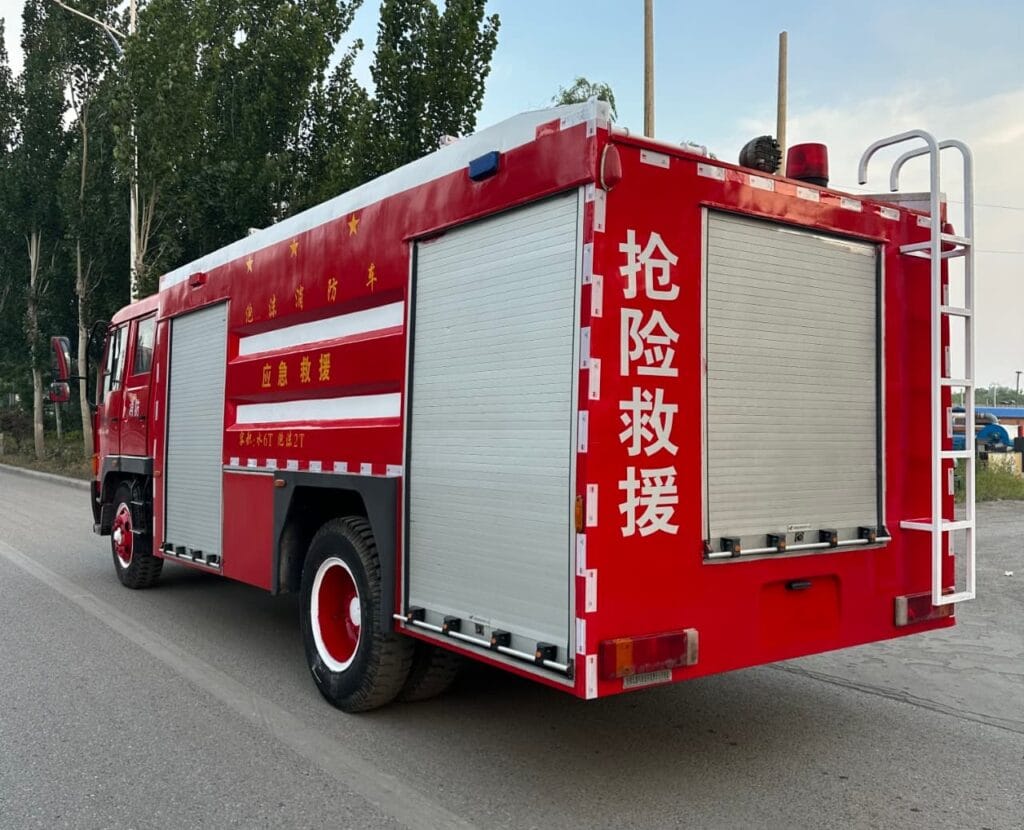
Pourquoi l'entretien préventif est important
La maintenance de routine offre plusieurs avantages importants :
- Maximise la fiabilité des camions de pompiers lors des interventions d'urgence.
- Réduit les pannes inattendues et les réparations coûteuses.
- Prolonge la durée de vie du véhicule.
- Améliore la sécurité des opérateurs.
- Maintient la conformité aux normes locales d'inspection.
Pour les gestionnaires de flotte, la maintenance préventive est l’un des moyens les plus rentables de protéger la valeur de chacun camion de pompiers tout en garantissant une préparation ininterrompue aux urgences.
FAQ
Q1 : À quelle fréquence un camion de pompiers doit-il recevoir une inspection complète ?
R : Une inspection pré-opération doit être effectuée avant chaque utilisation, tandis qu'une inspection complète est recommandée mensuellement ou selon le calendrier de maintenance du fabricant.
Q2 : Quelle est la partie la plus critique d'une inspection de camion de pompiers ?
R : La pompe à incendie, le système de freinage, l'éclairage de secours, les liquides du moteur et les pneus doivent toujours être prioritaires car ils affectent directement la sécurité de fonctionnement.
Q3 : La maintenance préventive peut-elle réduire les coûts d'exploitation ?
R : Oui. Un entretien régulier permet de prévenir les pannes mécaniques majeures, de réduire les dépenses de réparation et d'augmenter la durée de vie globale du camion de pompiers.