Répondre aux divers besoins des clients grâce à une conception et une ingénierie flexibles des véhicules.
Alors que les industries mondiales continuent d'évoluer, la demande de solutions de véhicules personnalisés augmente rapidement Les produits standardisés ne suffisent plus à répondre aux diverses exigences opérationnelles des différents marchés Au lieu de cela, les clients recherchent de plus en plus des solutions sur mesure qui correspondent à leurs applications spécifiques, leurs conditions de travail et leurs attentes en matière de performances.
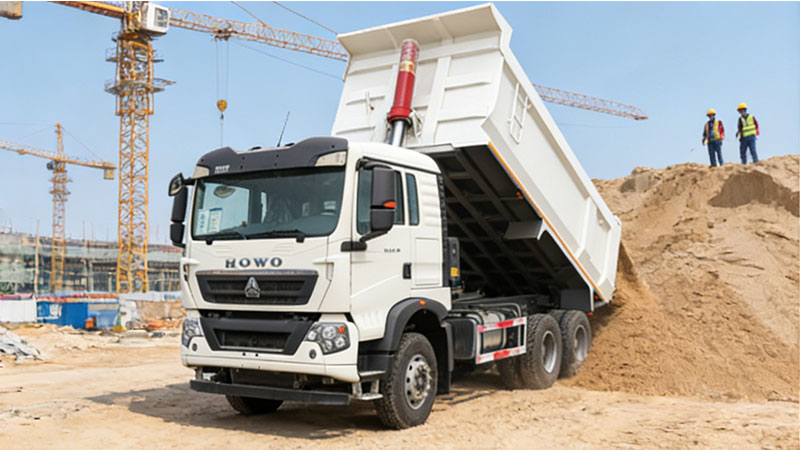
La personnalisation dans la fabrication de véhicules à usage spécial implique de multiples aspects, notamment la capacité des réservoirs, la sélection des châssis, la configuration fonctionnelle et des fonctionnalités supplémentaires. Par exemple, un service d'assainissement municipal peut avoir besoin d'un camion compacteur d'ordures avec une plus grande capacité pour gérer des volumes de déchets plus élevés, tandis qu'une entreprise de construction peut donner la priorité à la durabilité et à la capacité de charge dans les camions à benne basculante.
La sélection du châssis est un autre élément essentiel de la personnalisation Différentes marques de châssis offrent différents niveaux de performance, de fiabilité et de rentabilité. Fournir aux clients plusieurs options leur permet de choisir la configuration la plus adaptée en fonction de leur budget et de leurs besoins opérationnels.
Les mises à niveau fonctionnelles deviennent également de plus en plus populaires Des fonctionnalités telles que les systèmes de contrôle automatisés, les mécanismes hydrauliques améliorés et les composants de sécurité améliorés peuvent améliorer considérablement les performances du véhicule et l'expérience utilisateur Ces mises à niveau améliorent non seulement l'efficacité mais réduisent également l'intensité du travail et les risques opérationnels.
Des modifications spéciales élargissent encore les possibilités de personnalisation Les véhicules peuvent être adaptés pour des applications uniques telles que le transport de matières dangereuses, les opérations de nettoyage spécialisées ou les tâches d'intervention d'urgence Ce niveau de flexibilité permet aux fabricants de servir un plus large éventail d'industries et de marchés.
L'un des principaux défis de la personnalisation est de maintenir la qualité et la cohérence Chaque véhicule personnalisé doit répondre aux mêmes normes élevées que les produits standard Cela nécessite un système de production bien établi, des équipes d'ingénierie expérimentées et des processus de contrôle de qualité stricts.
Une communication efficace entre les fabricants et les clients est également essentielle La compréhension détaillée des exigences des clients permet une conception et une production précises, garantissant ainsi que le produit final répond aux attentes Le support technique et la consultation jouent un rôle essentiel dans ce processus.
À mesure que le marché continue de croître, la personnalisation restera un avantage concurrentiel clé pour les fabricants Les entreprises qui peuvent fournir des solutions personnalisées flexibles, fiables et rentables seront mieux placées pour répondre aux besoins des clients mondiaux et étendre leur présence sur le marché.